Have you ever faced unexpected damage to your home and wondered how to get the insurance company to cover the costs? Dealing with a home damage insurance claim can feel overwhelming, confusing, and stressful.
But it doesn’t have to be that way. Understanding the key steps and knowing what to expect can make a huge difference in getting your claim approved quickly and fairly. You’ll discover practical tips and insider advice to help you navigate the entire process with confidence.
Keep reading to protect your home and your peace of mind.

Filing Your Claim
Notify your insurer as soon as possible after damage occurs. Early reporting helps speed up the claim process. Most policies require notification within a specific time frame, so check your policy details.
Prepare important documents like your insurance policy, photos of damage, repair estimates, and any receipts for temporary repairs. These help prove your loss and support your claim.
Insurance adjusters will visit your home to inspect the damage. Be honest and clear when explaining what happened. Keep notes of all conversations and ask questions if you do not understand something.
Assessing Damage
Start by checking every part of your home carefully. Look for cracks, leaks, or broken items. Don’t miss hidden damage in corners or under furniture.
Use a camera or smartphone to take clear photos and videos. Capture the damage from different angles. This helps your insurance claim by showing proof.
Create a list of all damaged items. Write down what was broken, how bad it is, and the estimated cost to fix or replace it. Keep receipts if you have them.
Maximizing Your Payout
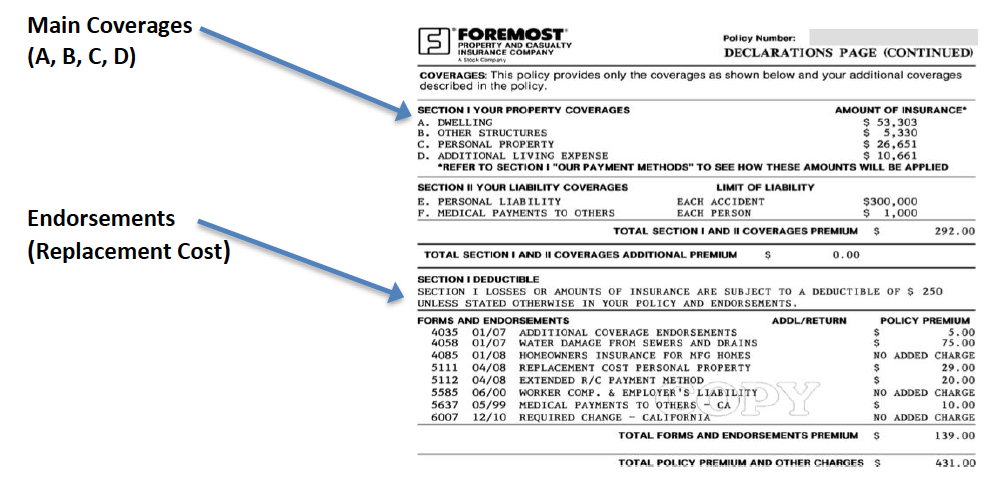
Read your insurance policy carefully to know what damages are covered. Some policies cover hidden damages like mold or water damage not seen at first. These can add to your claim amount.
Hire a public adjuster to help with your claim. They know how to find damages and negotiate with the insurance company. This can increase your payout significantly.
| Tip | Why It Matters |
|---|---|
| Understand Policy Coverage | Know exactly what damages your policy covers to avoid surprises. |
| Include Hidden Damages | Claim for damages like mold or structural issues that may be missed. |
| Hire a Public Adjuster | Experts can identify more damages and negotiate a better payout. |

Handling Disputes
Common reasons for claim denials include lack of coverage, incomplete paperwork, and missed deadlines. Insurers may also deny claims if damage is excluded in the policy or if the cause of damage is unclear.
Appealing a denied claim requires staying calm and gathering evidence. Submit a written appeal with supporting documents, such as photos, repair estimates, and expert opinions. Keep copies of all communication with the insurance company.
Seeking legal advice can help when claims get complicated. A lawyer specializing in insurance can explain your rights and options. They may assist in negotiating or taking legal action if needed.
Preventing Future Losses
Regular home maintenance helps avoid damage and costly repairs. Check your roof for leaks and clean gutters often. Inspect plumbing for leaks and fix them quickly. Keep trees trimmed to prevent falling branches. Clean air filters and vents to keep systems running well.
Upgrading your insurance policy can provide better protection. Review your policy yearly to match your home’s value. Add coverage for natural disasters common in your area. Ask about additional riders for valuable items. Make sure your policy covers temporary living costs if needed.
Prepare for disasters by creating an emergency plan. Store important documents in a safe place. Keep a supply kit with food, water, and first aid. Know how to turn off utilities like gas and water. Share your plan with family and practice it regularly.
Frequently Asked Questions
What Is A Home Damage Insurance Claim?
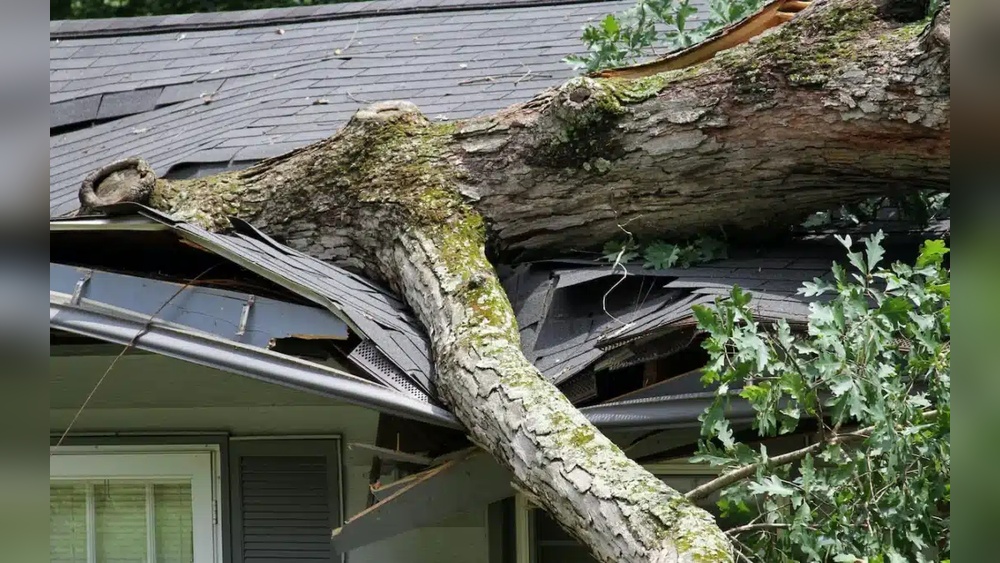
A home damage insurance claim is a request to your insurer for compensation. It covers repair or replacement costs after damage due to events like fire, storms, or vandalism.
How Do I File A Home Damage Insurance Claim?
To file a claim, contact your insurance company promptly. Provide details of the damage, photos, and any repair estimates. Follow their instructions to complete necessary forms.
What Damages Are Covered By Home Insurance Claims?
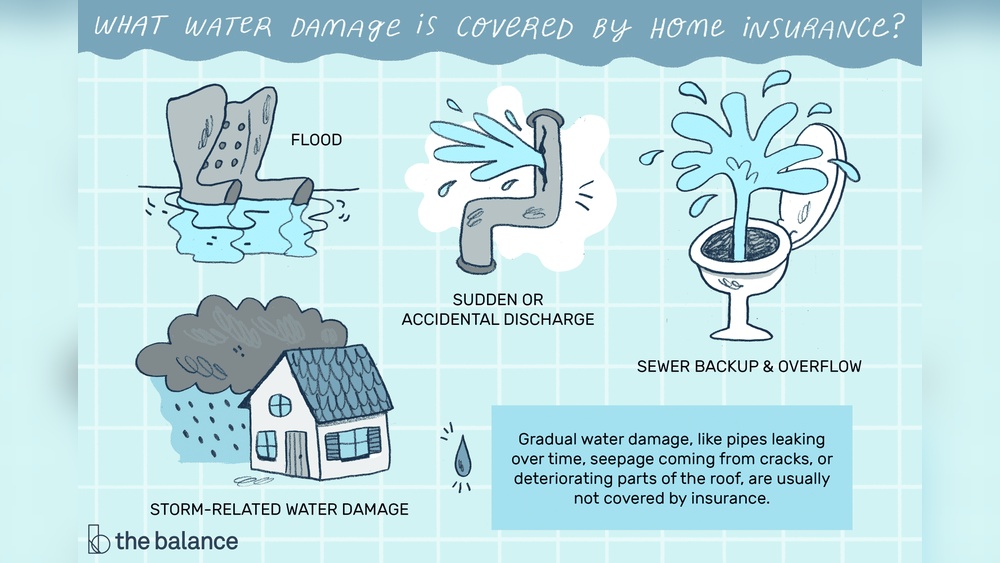
Home insurance typically covers sudden, accidental damages like fire, windstorm, theft, or water damage. Wear and tear or maintenance issues usually aren’t covered.
How Long Does A Home Damage Claim Take?
Claim processing varies but generally takes a few weeks. It depends on damage complexity, investigation, and documentation completeness.
Conclusion
Filing a home damage insurance claim can feel overwhelming at first. Stay organized and keep clear records of all damage. Contact your insurance company promptly to start the process. Understand your policy to know what is covered and what is not.
Taking quick, informed action helps your claim move smoothly. Protect your home and your peace of mind by being prepared. Remember, you have the right to ask questions and seek help. A well-managed claim supports faster repairs and recovery. Keep calm, stay focused, and take one step at a time.
Read More
- Claim Bridge Settlement Support: Expert Tips to Maximize Your Claim
- Insurance Claim Review Service: Maximize Your Settlement Today
- Property Damage Claim Estimate: Maximize Your Compensation Today
- Fast Accident Claim Assistance: Get Quick, Stress-Free Help Today
- Claim Settlement Strategy Guide: Expert Tips for Fast Approval
- Insurance Litigation Attorney Help: Win Your Claim with Expert Guidance
- Settlement Counsel Case Review: Expert Insights for Winning Results
- Claim Lawyer Consultation Online: Expert Advice at Your Fingertips
- Claim Dispute Legal Support: Expert Help for Winning Cases
- Long Term Care Injury Claim: Maximize Your Compensation Now