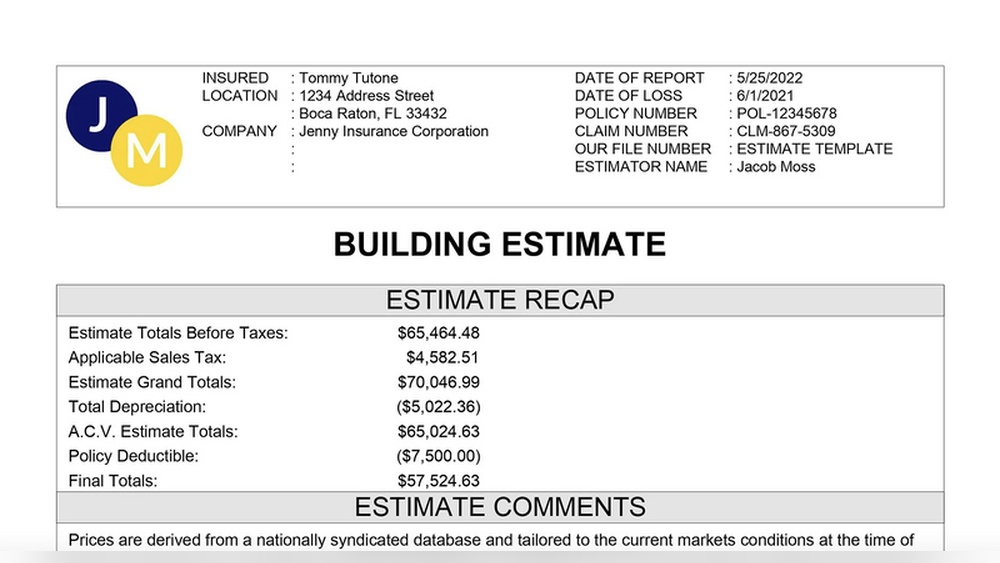

Dealing with an insurance claim can be confusing and stressful. You want to make sure you get every dollar you deserve, but understanding the fine print and the review process isn’t easy.
That’s where an Insurance Claim Review Service comes in. It’s your secret weapon to ensure your claim is handled fairly and accurately. If you’ve ever felt overwhelmed or unsure about your insurance claim, this service can help you take control and protect your interests.
Keep reading to discover how it works and why it might be exactly what you need right now.

Claim Review Basics
The claims adjuster plays a key role in the review process. They investigate the incident thoroughly to understand what happened. This includes contacting you, witnesses, or others involved. The adjuster also reviews your insurance policy to check the details of your coverage.
The information gathering process is important. The adjuster collects facts, photos, and documents related to the claim. This helps them make a fair decision.
Policy coverage assessment means the adjuster compares the claim with your policy terms. They decide if the claim fits the coverage rules. This step ensures that only valid claims are approved.

Types Of Claim Review Services
Third-party independent reviews offer unbiased opinions on insurance claims. They help ensure claims are fair and accurate. These reviews are done by experts not involved in the claim.
Medical claim reviews check if medical bills and services match the insurance policy. Board-certified doctors often perform these reviews. They verify treatments and charges to avoid errors or fraud.
Hospital bill audits focus on hospital charges. Auditors examine bills for mistakes or overcharges. They compare charges with standard rates and services provided.
Benefits Of Claim Review
Maximizing settlement amounts is a key benefit of claim review services. Experts carefully check your claim details to ensure you get the full amount you deserve. This process helps find missed expenses or damages that increase payouts. Claim reviewers know the fine print and can challenge low offers from insurers. The result: higher settlements without extra stress for you.
Identifying policy coverage gaps helps avoid surprises later. Review services compare your claims with your insurance policy terms. They find areas where coverage is missing or unclear. This lets you take action early, like buying extra coverage or adjusting claims. It prevents denied claims and unexpected out-of-pocket costs.
Ensuring accurate billing saves money. Claim reviews catch billing errors and duplicates from medical providers or repair shops. These mistakes can inflate your claim cost unfairly. Reviewers verify every charge matches the services or repairs done. This keeps your claim honest and protects your insurance record.
Common Challenges In Claims
Insurance adjusters may ask many questions to gather facts. They try to find reasons to pay less or deny claims. Stay calm and answer clearly. Keep records of all conversations and documents.
Claim denials happen for many reasons. Policies may not cover certain damages. Missing deadlines or incomplete forms can cause denials. Always check your policy details and submit all paperwork on time.
Avoid costly mistakes like giving too much information or signing papers without reading. Never accept the first settlement offer without review. Seek help if unsure about claim steps or terms.
Tools And Resources
Claims Information Exchanges help share data quickly between insurers. This speeds up claim reviews and reduces errors. One well-known exchange is the LexisNexis C.L.U.E., which stores up to seven years of claims data. It helps insurers check past claims easily.
Automated Claims Management uses software to handle claims faster. Automation reduces manual work and lets teams focus on complex cases. This system can track claim progress and send alerts when action is needed. It improves accuracy and saves time.
Compliance and Regulatory Support ensures all claims follow laws and rules. Tools help keep track of changing regulations so insurers stay legal. This support lowers risks of fines or penalties. It keeps the claim process fair and transparent.
How To Choose A Review Service
Check the credentials of the review service carefully. Look for licenses, certifications, and years of experience. Experts with strong backgrounds usually provide better insights.
Understand what services they offer. Some review services focus on medical claims, others on property or auto claims. Choose one that matches your claim type for best results.
Compare the cost to the value you receive. A cheaper service may not be thorough, while a costly one might offer extra help. Balance price with quality and support.
Steps To Get A Claim Review
Submit all required claim documents to start the review process. Include your policy, receipts, and any proof of loss. Organize papers neatly to avoid delays. Use certified mail or online portals to send your files securely. Keep copies for your records.
The review team checks your documents carefully. They may ask for extra information or clarification. Expect a few weeks for thorough examination. Patience is key during this period. The reviewer ensures your claim meets policy rules.
Results will explain which parts of your claim are approved or denied. Look for clear reasons behind decisions. If denied, instructions on how to appeal are often included. Contact your insurer for help understanding the details. Knowing these results helps you plan next steps.

Filing Complaints And Appeals
File a complaint if your insurance company treats you unfairly or denies a valid claim. Complaints help fix problems and protect your rights. Contact your state insurance department to report issues. They oversee insurance companies and enforce rules.
State departments have websites and phone numbers for easy contact. Provide your policy number, claim details, and a clear description of the problem. Keep all documents and correspondence for reference.
Appealing claim decisions means asking the insurer to review their choice. Submit an appeal letter explaining why you believe the claim was wrongly denied. Include supporting documents like medical records or bills.
| When to File a Complaint | How to Contact State Insurance Departments | Appealing Claim Decisions |
|---|---|---|
|
|
|
Frequently Asked Questions
What Is The Insurance Claim Review Process?
The insurance claim review process starts with a claims adjuster investigating the incident. They review your policy and assess claim eligibility. The adjuster gathers information from you, witnesses, or third parties. Then, they evaluate damages and coverage before approving or denying the claim.
Can I Get Life Insurance With Lupus?
Yes, you can get life insurance with lupus. Approval depends on your health, treatment, and disease severity.
How Much Does A Clue Report Cost?
A Clue Report typically costs between $12 and $25. Prices may vary by provider and report detail level.
What Not To Say To The Insurance Adjuster?
Avoid admitting fault or giving exaggerated details to the insurance adjuster. Do not share unnecessary personal information or accept the first settlement offer. Stay factual and keep answers brief to protect your claim.
Conclusion
Choosing an insurance claim review service helps protect your rights. It ensures your claim gets a fair evaluation. Experts guide you through complex claim details clearly. This service reduces errors and speeds up the process. Trust makes handling claims less stressful and more efficient.
Consider a review service to improve your claim outcome. Don’t let confusion delay your rightful compensation. A clear, simple review can make a big difference.
Read More
- Claim Bridge Settlement Support: Expert Tips to Maximize Your Claim
- Property Damage Claim Estimate: Maximize Your Compensation Today
- Fast Accident Claim Assistance: Get Quick, Stress-Free Help Today
- Claim Settlement Strategy Guide: Expert Tips for Fast Approval
- Insurance Litigation Attorney Help: Win Your Claim with Expert Guidance
- Settlement Counsel Case Review: Expert Insights for Winning Results
- Claim Lawyer Consultation Online: Expert Advice at Your Fingertips
- Claim Dispute Legal Support: Expert Help for Winning Cases
- Long Term Care Injury Claim: Maximize Your Compensation Now
- Soft Tissue Injury Settlement: Maximize Your Compensation Now