
When your property suffers damage, knowing the true cost of repairs is crucial for a fair insurance claim. But how do you get an accurate property damage claim estimate that protects your interests?
If you’re feeling overwhelmed by confusing paperwork or unsure about what repairs really cost, you’re not alone. This guide will help you understand how to calculate the value of your property damage, what to include in your estimate, and why getting it right matters more than you think.
Read on to gain the confidence and knowledge you need to handle your property damage claim with ease—and get the settlement you deserve.
Types Of Property Damage
Physical damage to structures includes harm to walls, roofs, and foundations. This damage affects the building’s safety and use. Repairs can involve fixing broken windows, cracked walls, or damaged roofs. Estimating costs needs a clear view of all affected parts.
Damage to personal property covers items like furniture, electronics, and clothing. These losses reduce daily comfort and function. An accurate estimate lists each item, its condition before damage, and replacement cost. Photos and receipts help prove value.
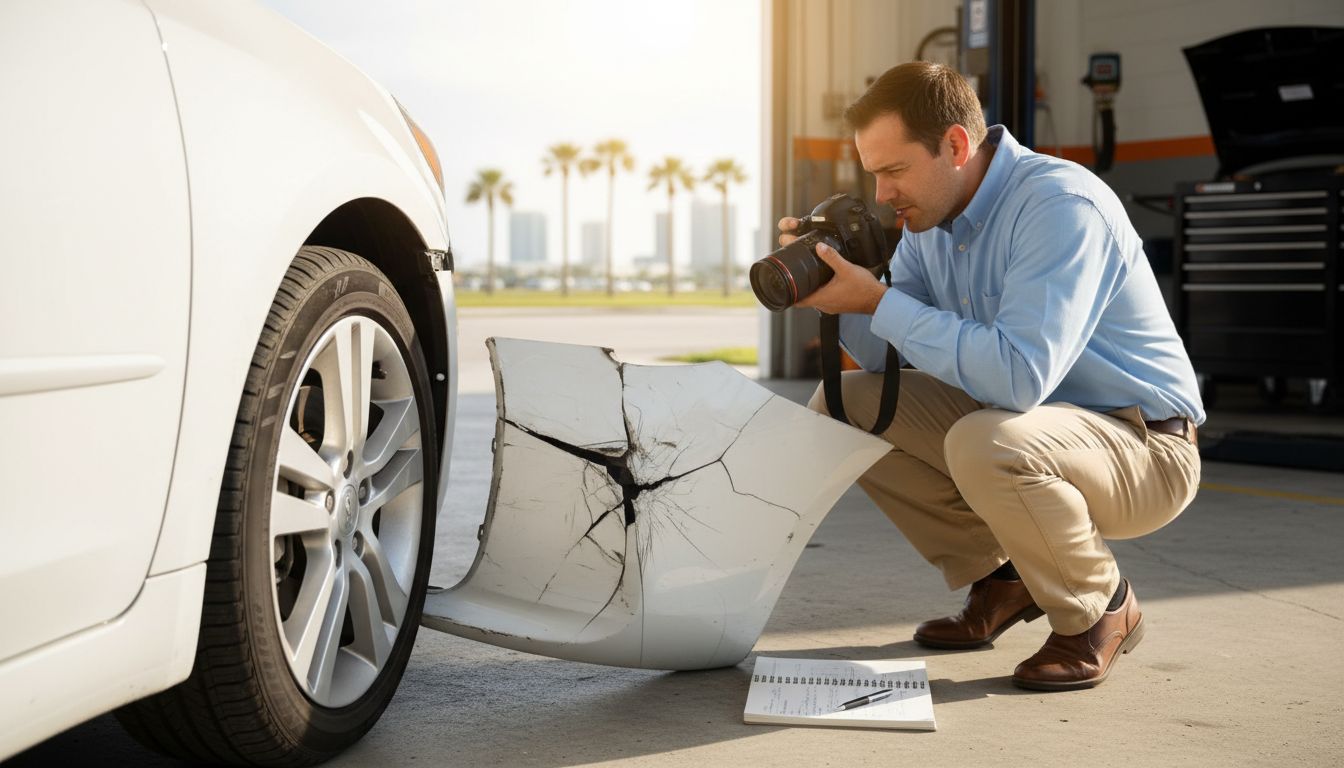
Vehicle damage considerations focus on cars, trucks, or motorcycles harmed by accidents or natural events. The estimate checks the cost of parts, labor, and possible total loss. Understanding these helps in settling claims fairly and quickly.
Gathering Evidence
Take clear photos from different angles to show all damage. Use good lighting for better visibility. Capture close-up shots and wide views to cover everything.
Write detailed notes about each damaged item. Describe what happened and the date. Include how the damage affects use or value.
Keep all repair receipts and estimates from contractors. These prove the cost of fixing the damage. Store receipts safely for easy access during the claim process.
Estimating Repair Costs
Start by checking prices for materials like wood, paint, and tiles. Labor costs vary by location and skill level, so gather local rates. Use professional estimating tools to create more accurate repair cost lists. These tools help break down expenses into clear categories.
Request at least three quotes from different contractors to compare prices. This gives a better idea of the market rate. Make sure each quote covers the same work and materials for fair comparison. Keep notes on what each estimate includes.
Interpreting Insurance Estimates
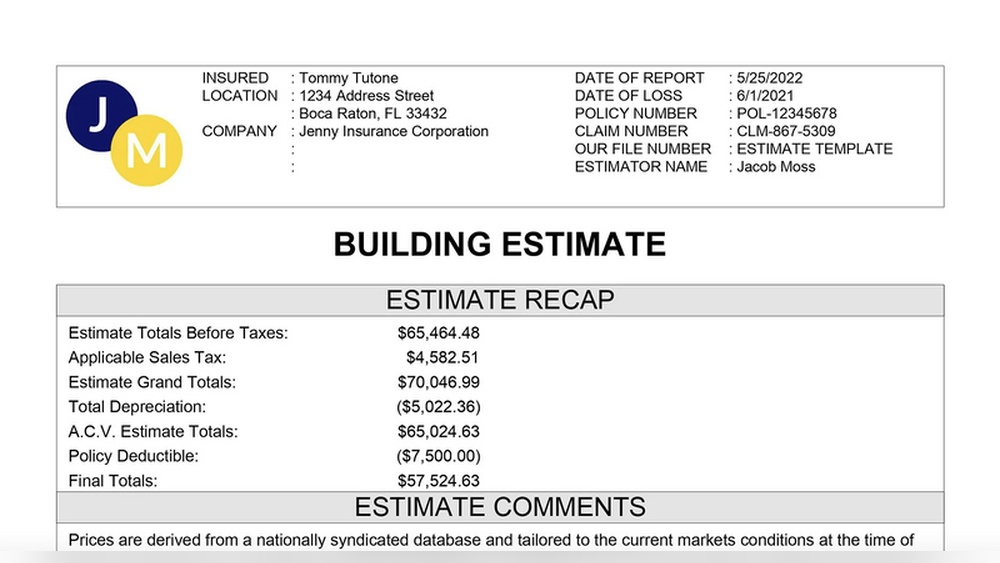
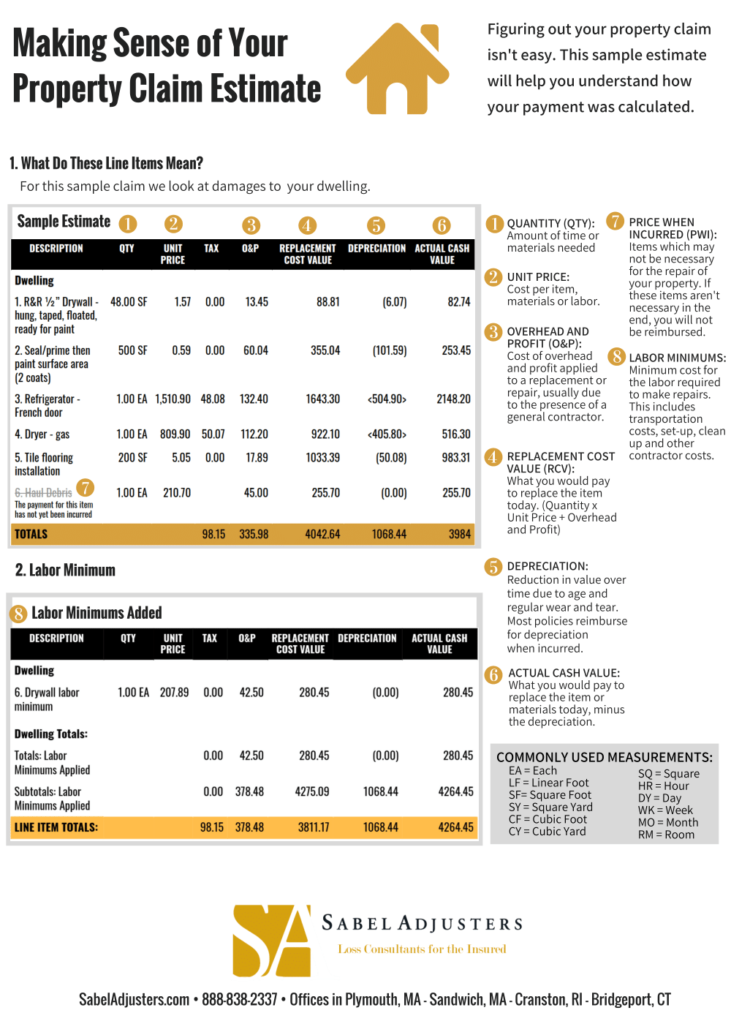
Insurance estimates list each repair or replacement needed after damage. Each line item shows a specific cost, like materials or labor. These details help you understand what the insurer plans to pay for.
Common errors include wrong quantities, missed damages, or inflated prices. Watch for items that seem too high or low compared to your own research. Mistakes can delay your claim or reduce your payout.
| Estimate Aspect | What to Check | Why It Matters |
|---|---|---|
| Line Items | Are all damages listed? | Ensures full repair coverage |
| Costs | Do prices match local rates? | Avoids underpayment or overpayment |
| Totals | Does total align with item sums? | Prevents calculation errors |
Compare the estimate to your actual repair quotes. Differences may show overlooked damage or pricing issues. Use this info to question your insurer or get a second opinion.
Maximizing Your Compensation
Negotiating with adjusters requires patience and clear communication. Always stay calm and ask questions about anything unclear. Be firm but polite to ensure fair treatment. Adjusters may try to settle quickly for less money. Present your facts confidently and don’t rush to accept an offer.
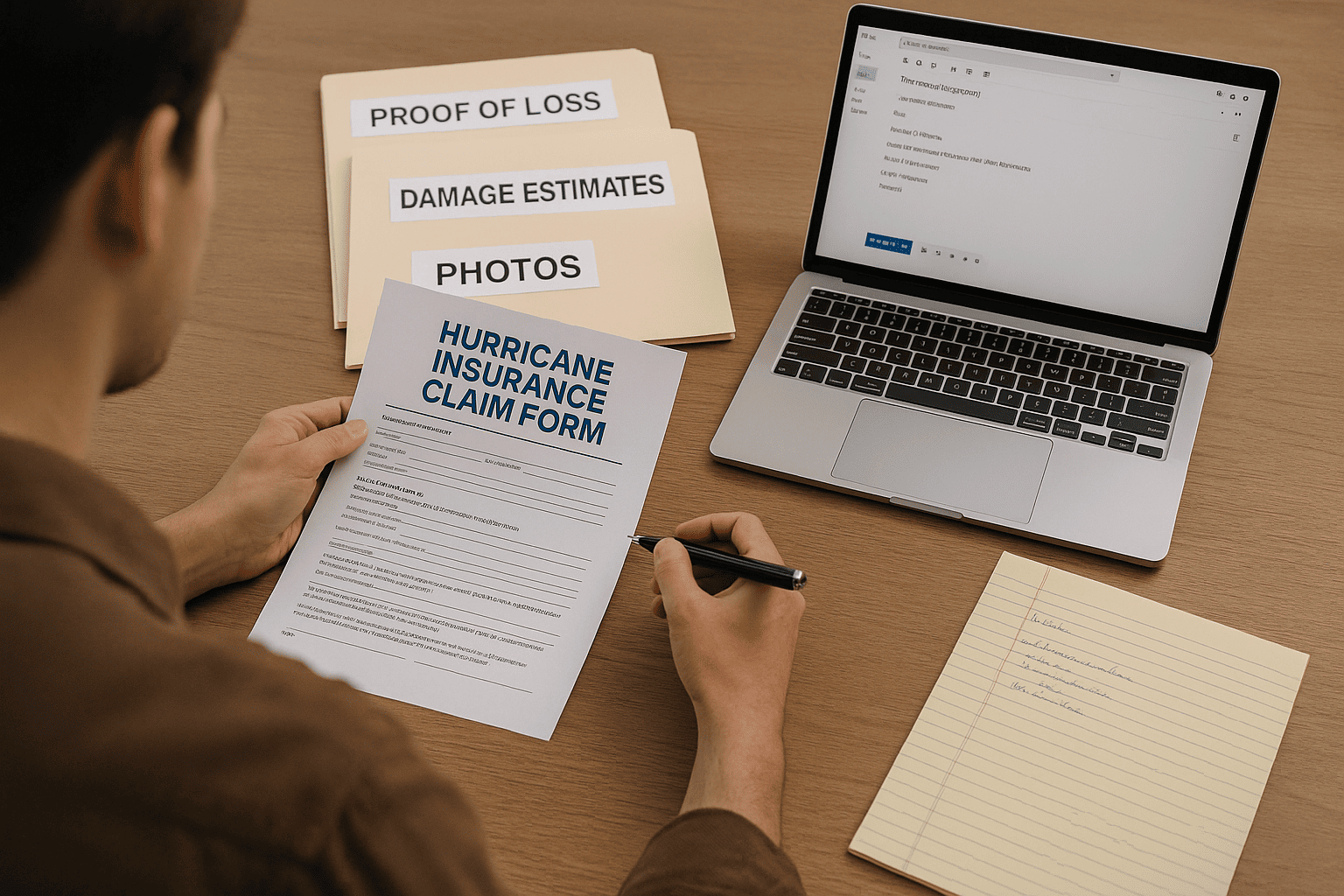
Submitting detailed supporting documents strengthens your claim. Include photos, repair estimates, receipts, and expert opinions. The more proof you provide, the easier it is to justify your compensation. Organize documents clearly and label them for quick reference.
When to consult an attorney depends on your case complexity. If the insurance company denies your claim or offers too little, legal help can guide you. An attorney knows the law and can negotiate better settlements. Contact one early to protect your rights and avoid mistakes.
Filing Your Claim
Deciding whether to get an estimate or file a claim first can affect the process. An estimate helps you know the damage costs before filing. Filing a claim early starts the insurance process but might limit your negotiation room. Choose based on how urgent your situation is and the insurer’s rules.
Insurance companies set deadlines for filing claims. Missing these can cause claim denial. Keep a calendar for all important dates. Submit all documents and estimates within these periods to avoid delays or rejection.
Track every communication with your insurer. Save emails, letters, and notes from phone calls. This helps if disputes arise or follow-up is needed. Organized records make the process smoother and show your efforts clearly.
Common Challenges
Underpayments are a common issue in property damage claims. Insurance companies may offer less than the actual repair cost. This can cause stress and delays in fixing your property. Always document all damages carefully and get multiple repair estimates. This helps prove your claim’s true value.
Disputes over damages often happen when the insurer and claimant disagree. Some damages may be denied or minimized. Keep detailed photos, receipts, and expert opinions to support your case. Clear communication with the insurance adjuster is key to resolving disputes.
Processing delays frustrate many claimants. These delays can occur due to paperwork errors or investigation backlogs. Follow up regularly and provide requested documents quickly. Staying organized speeds up the claim process and helps you get paid faster.
Frequently Asked Questions
How Do You Calculate Property Damage?
Calculate property damage by assessing repair or replacement costs. Gather expert estimates, document damages with photos, and itemize all necessary repairs.
Do You Get An Estimate For Damages Or Repairs?
Yes, you can get an estimate for damages or repairs from professionals. Estimates help assess repair costs accurately.
How Do I Calculate My Settlement Amount?
Calculate your settlement amount by totaling repair or replacement costs for damages. Include estimates from experts and receipts. Subtract any deductible to find the final figure.
Should I File A Claim Or Get An Estimate First?
Get a repair estimate first to understand damage costs. This helps file an accurate property damage claim.
Conclusion
Estimating property damage claims helps ensure you receive fair compensation. Start by documenting all damage carefully with photos and notes. Compare repair costs from multiple sources for accuracy. Knowing how to read insurance estimates protects your interests. Taking these steps speeds up the claim process and reduces stress.
Stay organized and keep all records handy throughout. This makes handling property damage claims clearer and simpler.
Read More
- Claim Bridge Settlement Support: Expert Tips to Maximize Your Claim
- Insurance Claim Review Service: Maximize Your Settlement Today
- Fast Accident Claim Assistance: Get Quick, Stress-Free Help Today
- Claim Settlement Strategy Guide: Expert Tips for Fast Approval
- Insurance Litigation Attorney Help: Win Your Claim with Expert Guidance
- Settlement Counsel Case Review: Expert Insights for Winning Results
- Claim Lawyer Consultation Online: Expert Advice at Your Fingertips
- Claim Dispute Legal Support: Expert Help for Winning Cases
- Long Term Care Injury Claim: Maximize Your Compensation Now
- Soft Tissue Injury Settlement: Maximize Your Compensation Now