

If you’ve been injured and are wondering how much your claim might be worth, you’re not alone. Understanding injury claim valuation can feel confusing and overwhelming.
But knowing what factors affect your compensation can empower you to make informed decisions. This guide will walk you through the key points that determine your claim’s value, from the type of injury you suffered to the impact on your daily life.
By the end, you’ll have a clearer picture of what to expect and how to maximize your compensation. Keep reading to take control of your injury claim and get the settlement you deserve.

Factors Affecting Injury Claim Value
Types of injuries vary from minor cuts to severe trauma. The more serious the injury, the higher the claim value usually is. Soft tissue injuries may get less compensation than broken bones or head injuries.
Pain and suffering covers physical pain and emotional distress. This part of the claim is often hard to measure but important. It reflects how much hurt the injury caused beyond medical bills.
Impact on daily life means how much the injury stops normal activities. For example, difficulty working, doing chores, or hobbies can increase the claim.
Economic damages include all money lost due to injury. This covers medical bills, lost wages, and future care costs. These are easier to calculate with bills and pay stubs.
Non-economic damages are for things like loss of enjoyment, mental pain, or disfigurement. These damages depend on the injury’s effect on the person’s quality of life.
Calculating Compensation Amounts
Medical expenses include hospital bills, doctor visits, and therapy costs. Keep all receipts and records for proof. Lost wages cover income lost due to injury recovery time. Calculate the total days missed multiplied by your daily pay.
Future care costs are expenses expected for ongoing treatment or assistance. This may include physical therapy or home care services. Property damage involves repair or replacement costs for items damaged during the incident.
Using compensation calculators can help estimate your claim value. Input expenses, lost wages, and injury severity for a rough total. These tools offer a quick starting point but consult a professional for accuracy.
Legal Considerations In Texas
Texas law sets a statute of limitations for injury claims. You must file your claim within two years of the injury date. Missing this deadline can cause you to lose the right to compensation.
Comparative negligence means fault can be shared. If you are partly responsible, your compensation may be reduced. For example, if you are 30% at fault, your payout drops by 30%.
| Legal Aspect | What It Means | Impact on Claim |
|---|---|---|
| Statute of Limitations | 2-year deadline to file claim | Late claims are usually rejected |
| Comparative Negligence | Fault can be shared between parties | Compensation reduces by your fault % |
| Insurance Policy Limits | Maximum payout by insurance | Claim amount can’t exceed this limit |
Insurance policy limits restrict how much money you can receive. Even if damages are higher, the insurer pays only up to the policy amount. This limit is important during claim valuation.
Insurance Company Valuation Methods
Insurance companies use different formulas to value claims. These formulas consider factors like medical costs, lost wages, and pain and suffering. Each case is unique, so the amounts vary widely.
They often rely on software programs to calculate estimates quickly. These tools analyze data from past claims and legal settlements. This helps companies make offers based on similar cases.
Negotiations play a big role in final settlements. Insurers use strategies like low initial offers to test claimants’ willingness to accept less. Claimants should be aware of such common tactics to avoid unfair settlements.
| Valuation Aspect | Description |
|---|---|
| Claim Valuation Formulas | Consider damages like medical bills, lost income, and pain. |
| Software Programs Used | Analyze past data to estimate claim value quickly. |
| Negotiation Strategies | Initial low offers and delays to reduce payout. |
| Common Tactics to Watch For | Pressure to settle fast, undervaluing injuries. |
Maximizing Your Injury Settlement
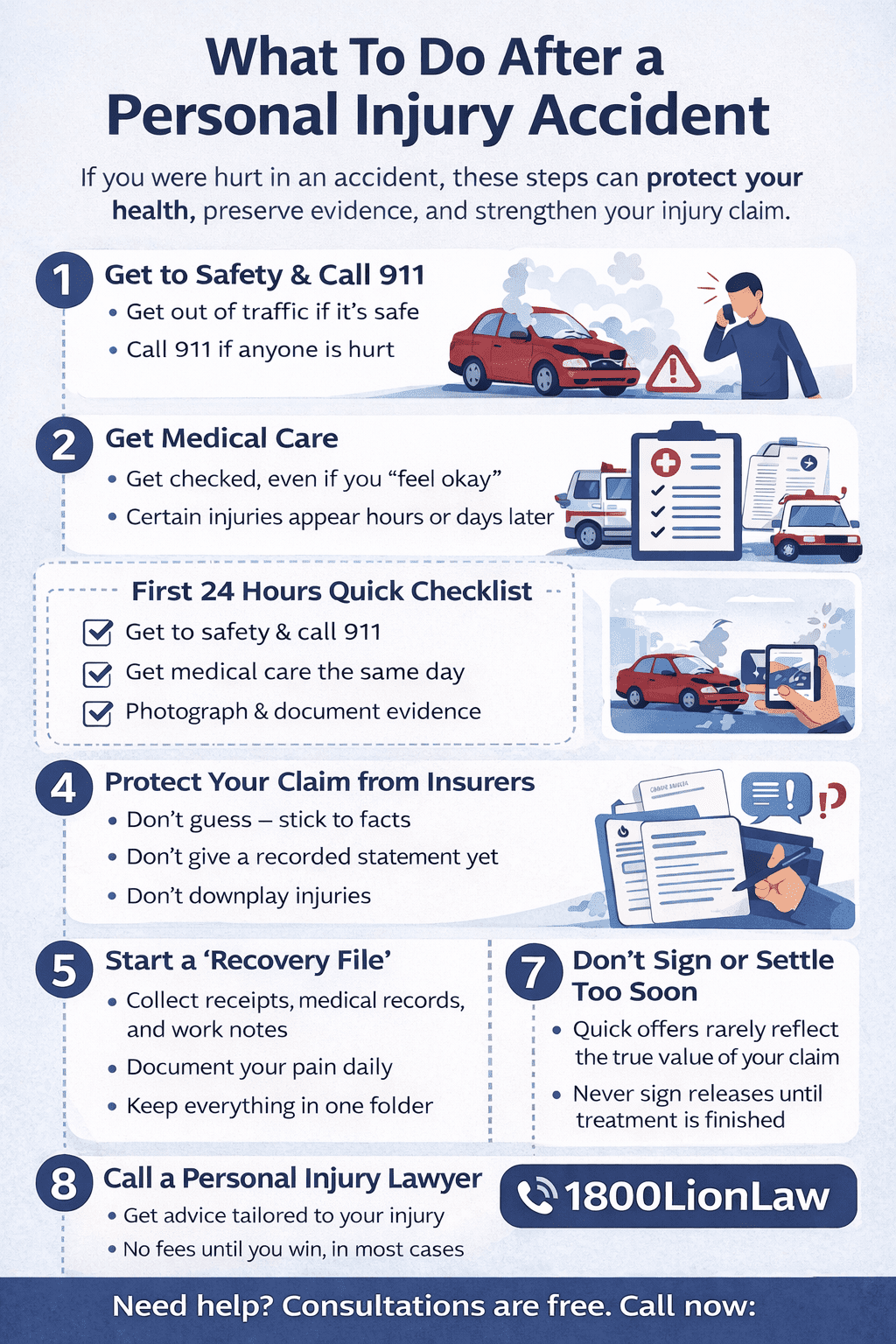
Gathering strong evidence is vital. Keep photos of injuries and the accident scene. Collect contact details of witnesses. Save all medical reports and bills. These documents prove the injury and losses.
Documenting injuries and expenses helps show your claim’s value. Track doctor visits, treatments, and medications. Note missed work days and lost income. Include travel costs for medical care. Clear records make your claim stronger.
Experts can add value to your claim. Medical professionals explain injury severity. Accident reconstruction specialists clarify how the injury happened. Their reports support your case and increase compensation.
Choosing the right attorney matters. Find lawyers with injury claim experience. A skilled lawyer knows how to negotiate well. They help avoid mistakes that lower your settlement.
Timing your claim is important too. File within the legal deadline, or you may lose rights. Act quickly but do not rush. Early action keeps evidence fresh and your case clear.
Types Of Injury Claims And Settlements
Car accidents claims usually cover medical bills, lost wages, and pain. Settlements depend on fault and injury severity. Insurance policies affect compensation amounts.
Workplace injuries may include workers’ compensation benefits. These cover medical care and some lost wages. Severity and job impact influence settlement size.
Slip and fall cases involve injuries from unsafe property conditions. Compensation covers medical costs and sometimes pain and suffering. Property owner negligence is key.
Catastrophic injuries cause long-term disability or disfigurement. Settlements are higher due to ongoing medical care and lost earning ability. Future care costs are considered.
Wrongful death claims provide compensation to family members. These cover funeral expenses, lost income, and emotional pain. Laws vary by state on who can claim.
Using Settlement Charts And Case Studies
Settlement amounts vary widely based on injury type and severity. Minor injuries like cuts or bruises often settle for under $5,000. More serious injuries such as broken bones typically range from $10,000 to $50,000. Severe injuries, including brain trauma or spinal cord damage, can reach settlements of $100,000 or more.
Real cases help show typical settlement values. For example, a slip and fall causing a fractured wrist settled for $25,000. A car accident with a back injury resulted in a $75,000 payout. These examples reflect how injury type impacts compensation.
| Injury Type | Settlement Range |
|---|---|
| Minor cuts/bruises | $1,000 – $5,000 |
| Broken bones | $10,000 – $50,000 |
| Spinal cord injuries | $100,000+ |
| Brain injuries | $100,000+ |

Frequently Asked Questions
How Much Will I Get From A $50,000 Settlement?
From a $50,000 settlement, expect to receive the amount minus legal fees, medical costs, and taxes. Your net payout varies.
How Do I Know How Much My Injury Is Worth?
Your injury’s worth depends on medical expenses, lost income, pain, suffering, and how it affects daily activities. Consult a lawyer for an accurate estimate.
How To Determine The Value Of A Personal Injury Claim?
Calculate a personal injury claim’s value by totaling medical expenses, lost wages, pain, suffering, and impact on daily life.
What To Do With A $500,000 Settlement?
Invest wisely by paying off debts, investing in diversified assets, saving for emergencies, and consulting a financial advisor.
Conclusion
Understanding injury claim valuation helps you make informed decisions. Each case has unique factors affecting its worth. Consider pain, expenses, and how injuries impact daily life. Knowing these details guides you through the claim process. Seek advice if you feel uncertain at any step.
Taking action with clear knowledge improves your chances for fair compensation. Stay patient and keep records organized throughout your claim. This approach supports a smoother, more confident path to resolution.
Read More
- Claim Bridge Settlement Support: Expert Tips to Maximize Your Claim
- Insurance Claim Review Service: Maximize Your Settlement Today
- Property Damage Claim Estimate: Maximize Your Compensation Today
- Fast Accident Claim Assistance: Get Quick, Stress-Free Help Today
- Claim Settlement Strategy Guide: Expert Tips for Fast Approval
- Insurance Litigation Attorney Help: Win Your Claim with Expert Guidance
- Settlement Counsel Case Review: Expert Insights for Winning Results
- Claim Lawyer Consultation Online: Expert Advice at Your Fingertips
- Claim Dispute Legal Support: Expert Help for Winning Cases
- Long Term Care Injury Claim: Maximize Your Compensation Now